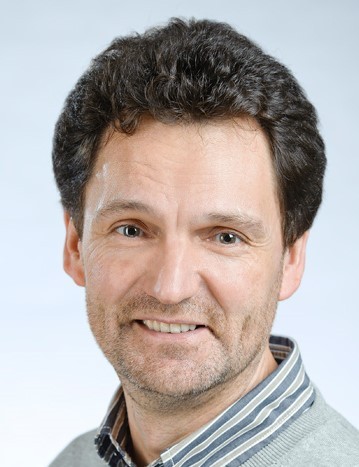
Lothar Rink
Professor — Aachen University, Germany
Dr. Lothar Rink is a leading expert in the immunobiology of zinc. He has made seminal contributions to understanding zinc's essential role as a gatekeeper of immune function, including its involvement in intracellular signalling pathways, regulation of innate and adaptive immune cells, and modulation of T-cell responses. His influential reviews and studies highlight how zinc deficiency impairs immunity, while supplementation can restore balance, particularly in aging immune systems and nutritional immunity contexts. Dr. Rink boasts an exceptionally strong publication record in zinc biology, with numerous high-impact papers advancing our understanding of zinc homeostasis, signalling, transporters, and their roles in immunity, physiology, and disease. He has made significant contributions to ISZB, including serving as past-president (2019–2021) and actively organizing meetings, committees, and society initiatives. Moreover, he has demonstrated outstanding commitment to training and mentoring the next generation of researchers in zinc biology.
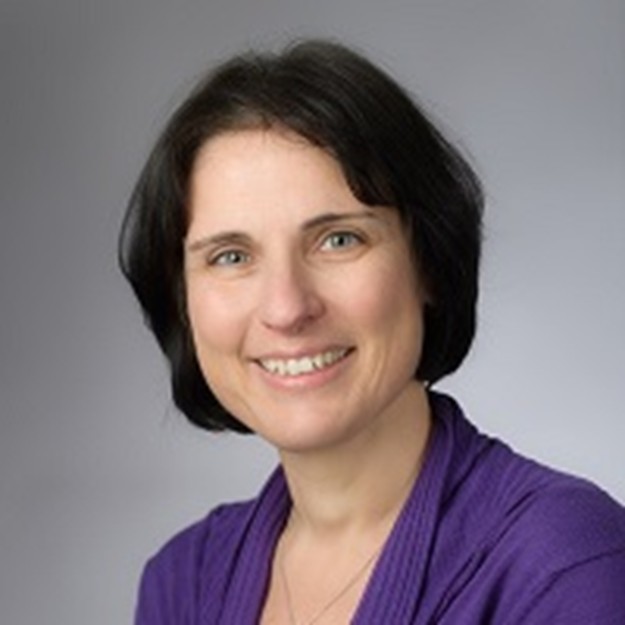
Michal Hershfinkel
Ben-Gurion University of the Negev, Israel
Prof. Michal Hershfinkel is a faculty member in the Department of Physiology and Cell Biology at Ben-Gurion University of the Negev, Israel. Her research focuses on zinc as a dynamic signaling molecule that modulates cellular activity in neurons and epithelial tissues. In her early studies, she and her colleagues identified the zinc-sensing G-protein–coupled receptor ZnR/GPR39 as a key mediator of zinc-dependent calcium signaling. Her group later revealed roles for ZnR/GPR39 in maintaining intestinal barrier integrity, regulating salivary gland function, and promoting breast cancer cell proliferation. In addition, her work has illuminated how ZnR/GPR39 modulates neuronal inhibitory tone and how zinc transporters coordinate to preserve neuronal zinc homeostasis. Prof. Hershfinkel has served on the board of the International Society for Zinc Biology (ISZB) and was its fourth president from 2015 to 2017.
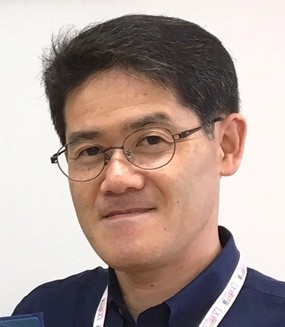
Toshiyuki Fukada
Tokushima Bunri University, Japan
Toshiyuki Fukada is Professor of Molecular and Cellular Physiology in the Faculty of Pharmaceutical Sciences at Tokushima Bunri University, Japan. His research focuses on the study of zinc transporters and zinc signaling at molecular, genetic, and pathophysiological levels, with particular interest in the ZIP family of transporters and their roles in human physiology and disease. He has contributed to the identification of key zinc transporters and their relevance to metabolic and inflammatory disorders, and is currently pursuing both drug development targeting zinc transporter activity and regenerative approaches using iPS cells to treat ZIP transporter–related diseases. He has been actively involved in the ISZB community, serving on several committees, as a Board member, as Conference President of the ISZB 2019 meeting in Kyoto, Japan, and as the 7th President of ISZB (2021–2023).
Shannon Kelleher
University of Massachusetts Lowell, USA
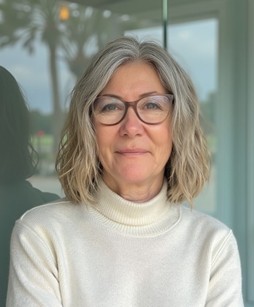
Shannon Kelleher, PhD is an academic researcher and industry consultant whose work bridges molecular science with real-world maternal and infant health outcomes. She earned her PhD from the University of California Davis in Nutritional Biochemistry and Cell Biology. She and her team were the first to identify mutations in the zinc transporter ZnT2 (SLC30A2) that underlie abnormally low zinc levels in human milk and cause clinically significant zinc deficiency in exclusively breastfed infants, providing the first direct evidence tying a specific genetic defect in a mammary gland zinc transporter to infant micronutrient deficiency. Her subsequent work demonstrated that loss of ZnT2 not only reduces zinc secretion into milk, but also impairs mammary gland development, epithelial differentiation, and milk secretion pathways. Dr. Kelleher is currently a Professor of Biomedical and Nutritional Sciences at the University of Massachusetts Lowell, where her research explores how maternal genotype and diet interact at the molecular level to influence mammary gland function, milk composition, and lactation success.