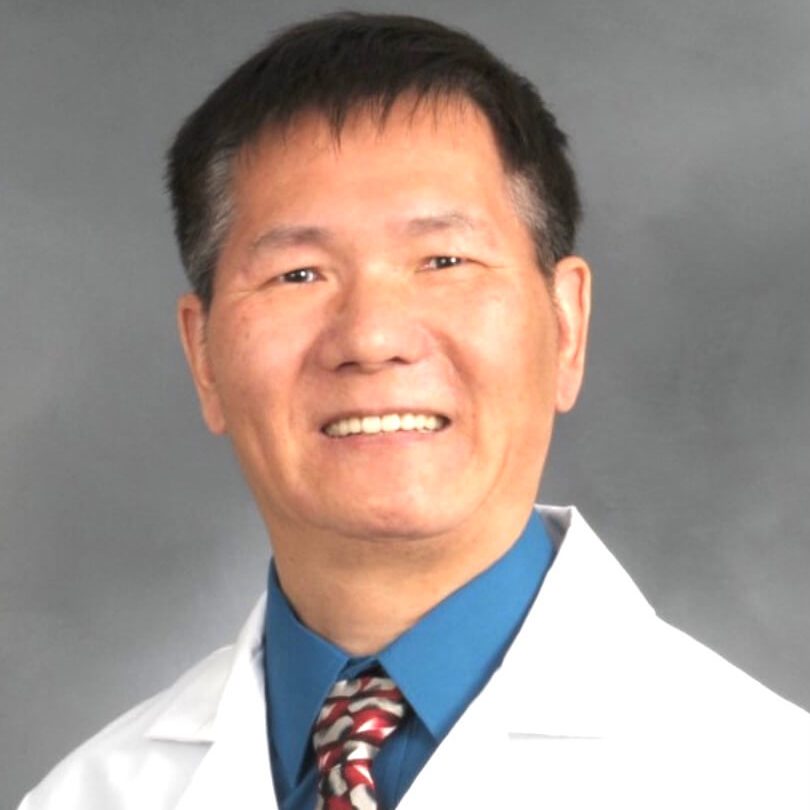
Fei Chen
Stony Brook Cancer Center & Dept. of Pathology — Stony Brook University
Dr. Fei Chen, PhD, is a tenured professor at the Stony Brook Cancer Center and the Department of Pathology at Stony Brook University. He has over 20 years of experience in epigenetic and genetic alterations, metabolic reprogramming, and the identification and targeting of cancer stem cells in chemical carcinogenesis, including heavy metal–induced carcinogenesis. His laboratory was the first to identify the reduced capacity for reactive oxygen species (ROS) generation in arsenic-induced malignantly transformed cells. Currently, his lab is investigating the oncogenic roles of NRF2 and KLF4 signaling in response to mixed-metal exposure, 1,4-dioxane, and other environmental carcinogens.
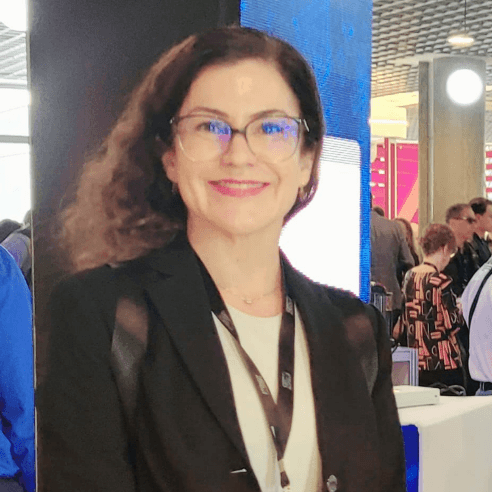
Giselle Cerchiaro
Professor of Chemistry and Biochemistry — Federal University of ABC (UFABC), São Paulo
Giselle Cerchiaro is Professor of Chemistry and Biochemistry at the Federal University of ABC (UFABC), São Paulo, Brazil, where she leads the Metal Biochemistry and Oxidative Stress Laboratory. She holds a PhD in Chemistry from the University of São Paulo (2005), with part of her doctoral work at Università di Roma Tor Vergata, and was a visiting researcher in Rome (2019). Her research addresses bioinorganic chemistry of copper, reactive oxygen species in cell signaling, and metal dyshomeostasis in neurodegeneration.
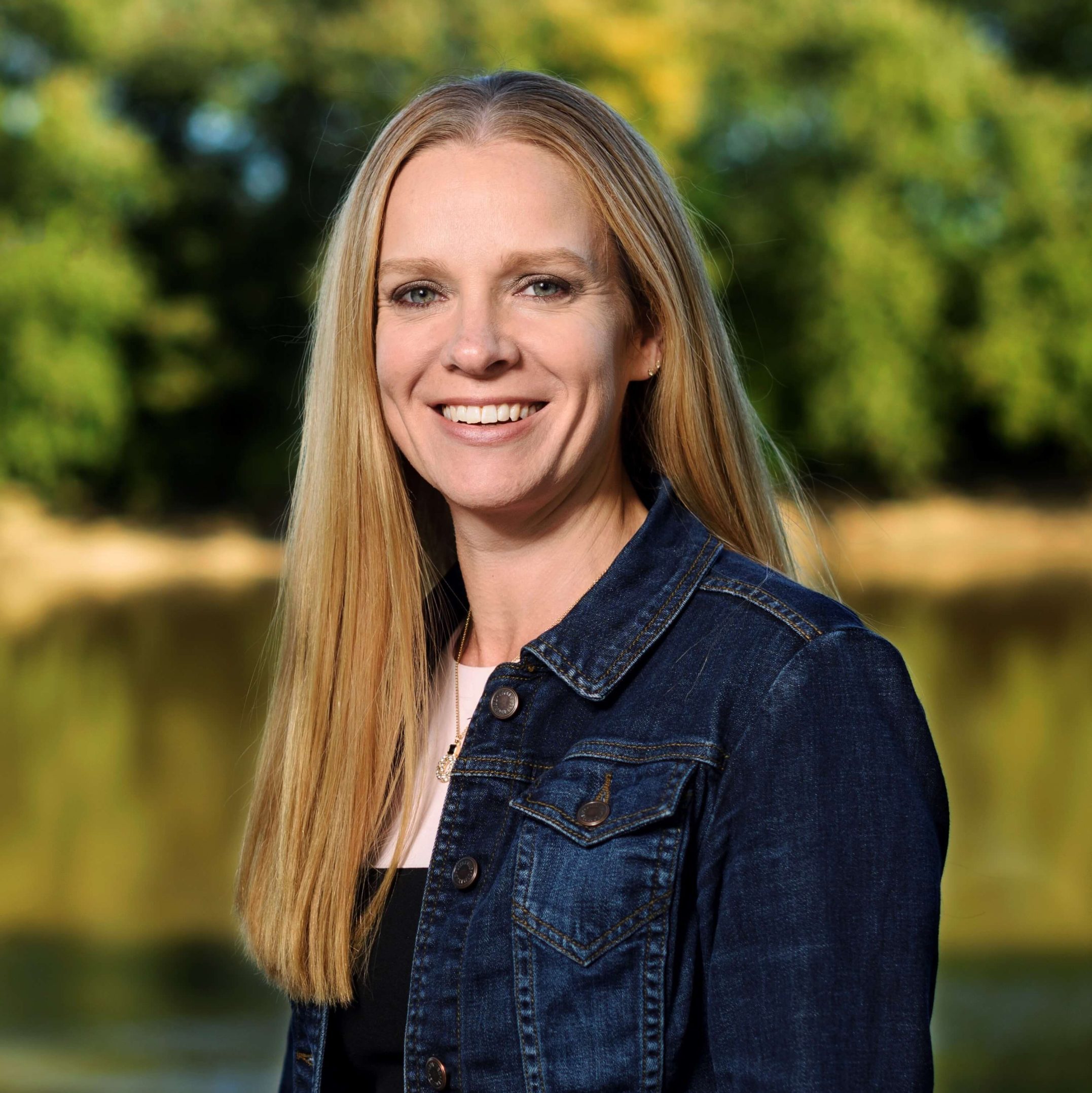
Jennifer Freeman
Professor of Toxicology — Purdue University · President of ISTERH
Jennifer Freeman is a Professor of Toxicology in the School of Health Sciences, faculty affiliate in Environmental and Ecological Engineering, and courtesy faculty in the Department of Public Health at Purdue University. She is also the Assistant Vice President for Research Development in the Office of Research at Purdue University. The Freeman Environmental Molecular Toxicology Laboratory addresses the underlying molecular mechanisms of neurotoxicity of environmental chemicals in the developmental origin of health and disease (DOHaD) paradigm using the zebrafish model system. This research is supported by the National Institutes of Health (USA) and other entities. She is the President of ISTERH, has held multiple leadership positions in the Society of Toxicology, and served on committees for the National Academies of Sciences, Engineering, and Medicine (USA).
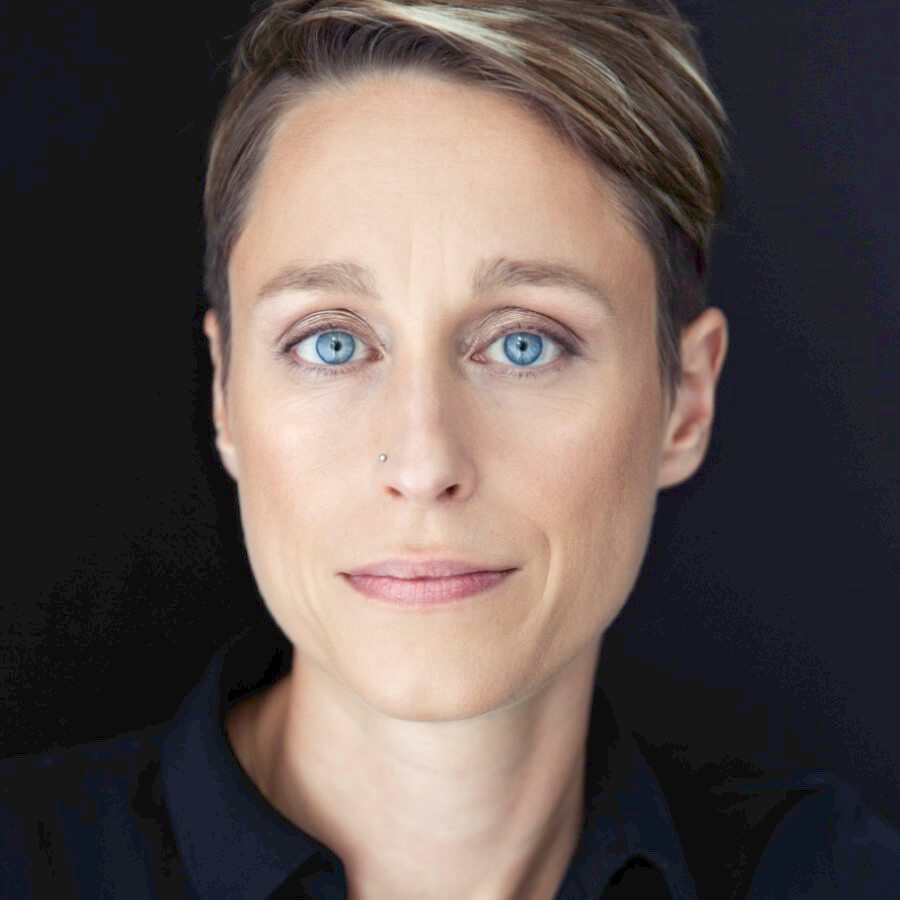
Jess Plavicki
Associate Professor & Vice-Chair of Education — Brown University
An Associate Professor and Vice-Chair of Education at Brown University. Her lab uses the zebrafish model to study how genetic mutations and environmental contamination disrupt the development of the brain, heart, and vasculature. Prof. Plavicki also directs the Pathology and Laboratory Medicine Internship Program at Brown University and co-leads the Research-Clinical Experiences in Neurology, Neuroscience, and Neurosurgery Program (NIH R25) at Brown.

Nishant Sharma
Postdoctoral Research Fellow — Division of Pharmacology and Toxicology, UT Austin
Nishant Sharma is a postdoctoral research fellow in the Division of Pharmacology and Toxicology at the University of Texas in Austin. His current research primarily focuses on mechanistic studies of metal-induced toxicity. He utilizes a combination of sophisticated cell-based assays, tissue-specific knockout mouse models, and human-derived samples to understand the mechanisms of manganese (Mn) induced toxicity.

Sofia Pessanha
Assistant Professor — NOVA School of Sciences and Technology · LIBPhys
Assistant Professor at NOVA School of Sciences and Technology and coordinator of the Analytical Techniques Development and Applications thematic line at LIBPhys. Holding a PhD in Physics from the University of Lisbon (2013), she is a recognised expert in Raman spectroscopy and X-Ray Fluorescence, specialising in portable instrumentation design. Her current research focuses on biomarker detection for Cancer and Parkinson's disease, spectroscopic tools for dental diagnostics and in vivo Raman analysis, and the impact of environmental contamination on human health. She serves on the Advisory Board of X-Ray Spectrometry (Wiley) and as Editor of the Encyclopedia of Analytical Chemistry (Wiley). Throughout her career, she has co-authored over 120 scientific publications and supervised 24 master and PhD theses.
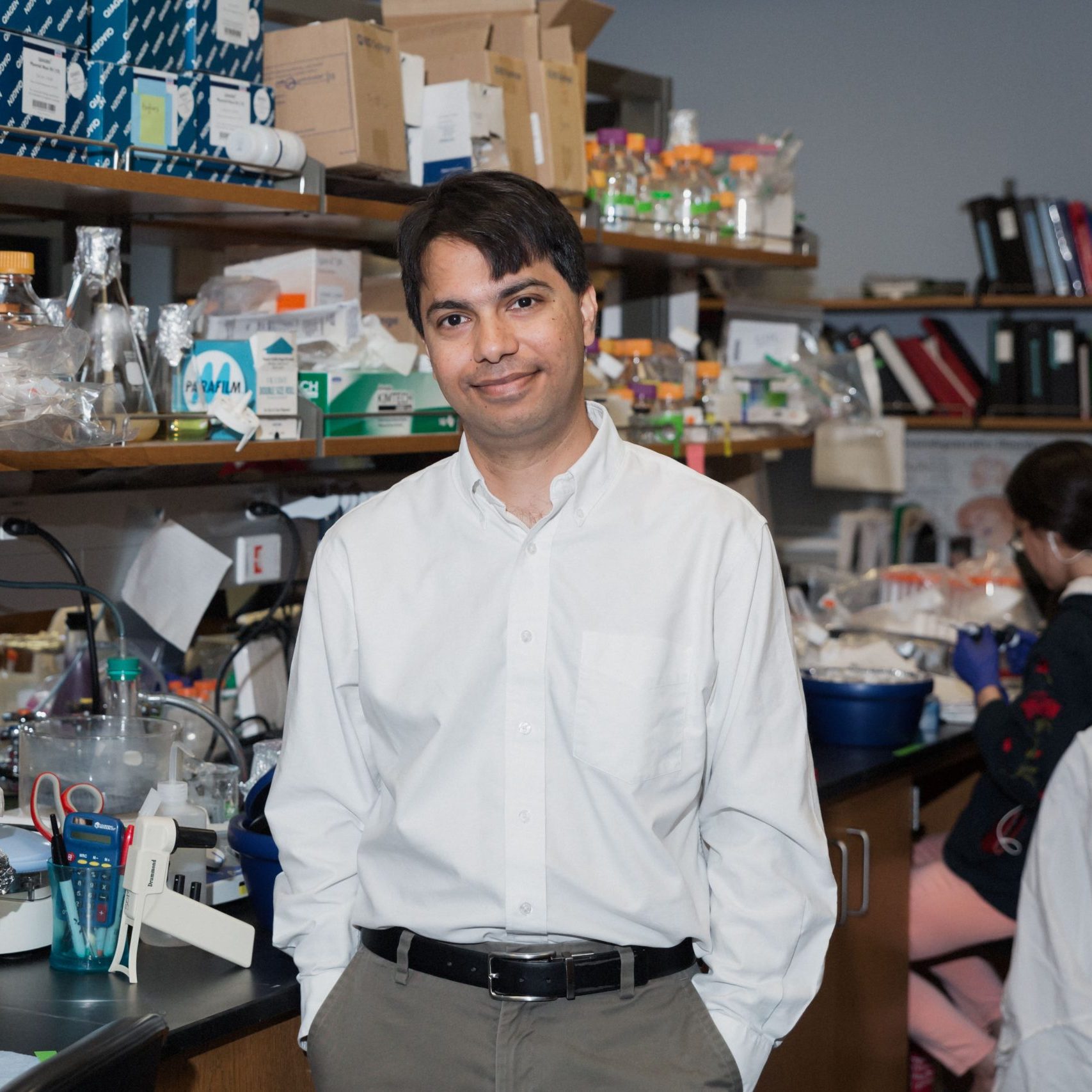
Dr. Mukhopadhyay
Professor of Pharmacology and Toxicology — University of Texas at Austin · Vice President of ISTERH
Dr. Mukhopadhyay is Professor of Pharmacology and Toxicology and Fellow of the James E. Bauerle Professorship at The University of Texas at Austin. His laboratory studies gene-environment interactions in neurological diseases, particularly transport mechanisms, neurotoxicity, and homeostatic control of the essential metal manganese. His work is routinely published in influential journals (e.g. PNAS, J Biol Chem) and supported by the National Institutes of Health. He is also the Vice President of ISTERH and has previously held leadership positions in the Society of Toxicology.
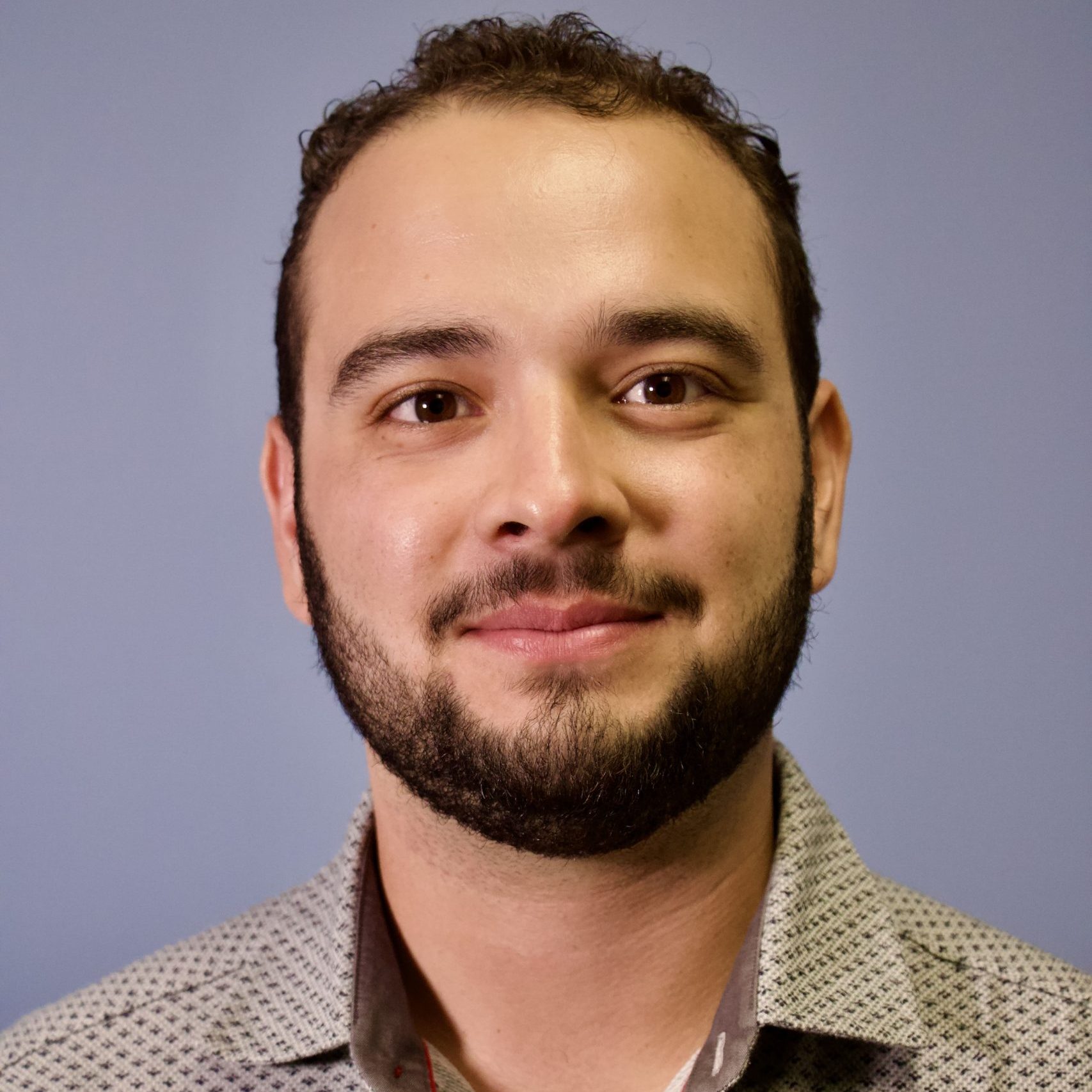
Wagner Tamagno
PhD Candidate in Toxicology — Purdue University
Wagner Tamagno is a biologist with a Master's degree in Pharmacology, with emphasis in immunopharmacology and psychopharmacology, and a PhD candidate in Toxicology at Purdue University, with emphasis in neurotoxicology and developmental toxicology. His research focuses primarily on the Developmental Origins of Health and Disease (DOHaD) associated with lead exposure, as well as ecotoxicology through multidisciplinary expertise and collaborations. He is a member of the Society of Toxicology, serving on the board of the Food Safety Specialty Section, and is also a member of the Metals Specialty Section and the Hispanic Organization of Toxicologists.
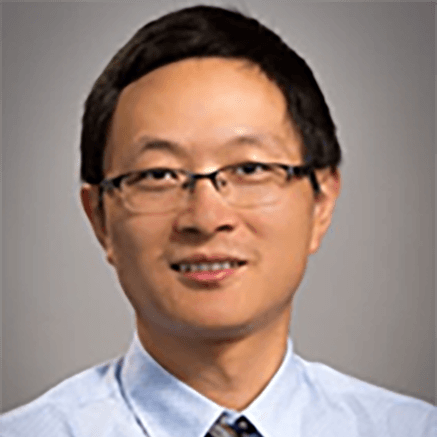
Xiang Xue
Associate Professor & Regents Lecturer — University of New Mexico School of Medicine
Xiang Xue, Ph.D., is an Associate Professor and Regents Lecturer at the University of New Mexico School of Medicine. His research examines how environmental toxicants drive inflammation and cancer. His lab uses molecular, metabolic, and translational approaches to uncover mechanisms and therapies. He is continuously NIH-funded, widely published, and recognized for advancing micronutrient biology in cancer. He is committed to mentoring, teaching, and national leadership in scientific service.

Ana Carolina Alves de Oliveira
Professor, School of Medicine — Federal University of Pará
Occupational therapist with a Ph.D. in Neuroscience and Cell Biology. Professor in the School of Medicine at the Federal University of Pará. She has extensive experience in animal experimentation, injury induction models, and treatments. Her research focuses on environmental toxins, particularly lead and mercury.
Barbara R Cardoso
Senior Lecturer, Department of Nutrition, Dietetics and Food — Monash University
Dr Cardoso is a Senior Lecturer in the Department of Nutrition, Dietetics and Food at Monash University. She has developed breakthrough studies that combine her skills in nutrition, clinical trials, analytical chemistry, proteomics and molecular biology to unravel the biochemistry of selenium and its implications in age-associated cognitive decline and Alzheimer's disease.
Donna D. Zhang
Dr. Herbert A. Wertheim Professor — UF-Scripps
Dr. Donna D. Zhang is the Dr. Herbert A. Wertheim Professor at UF-Scripps. She is an internationally recognized toxicologist whose pioneering research has unraveled the complex interplay between the body's NRF2-KEAP1 cellular defense pathway and environmental toxins such as arsenic. Her work has established her as a world authority in the field. Dr. Zhang has published over 200 peer-reviewed articles with more than 60,000 citations and an H-index of 93. She has received the SOT Achievement Award and Leading Edge in Basic Science Award.

Ellen M. Wells
Professor, School of Health Sciences — Purdue University
Ellen M. Wells, PhD, MPH, is a Professor in Purdue University's School of Health Sciences and Department of Public Health in West Lafayette, Indiana, USA. She is an environmental epidemiologist specializing in research related to metals and other environmental hazards' impact on neurological health. Many of her research projects incorporate populations with disproportionate exposures to environmental hazards, novel exposure assessment methods, and/or community engagement. She also directs Purdue's Occupational and Environmental Health Sciences Program, which includes undergraduate, masters, and doctoral training programs.
Linda Nie
Professor of Medical and Health Physics — Purdue University
Dr. Nie is a Professor of Medical and Health Physics at Purdue University and an expert in applied nuclear physics. Her research focuses on the development and application of novel nuclear techniques, such as in vivo x-ray fluorescence, in vivo neutron activation analysis, and synchrotron x-ray technologies on human health. She collaborates with numerous national and international groups to study metals/trace elements and health. She has published over 100 papers, serves as Associate Editor for Applied Radiation and Isotopes, and is on the Editorial Board of Physiological Measurement. She is also a council member of the International Society of Trace Element Research in Humans (ISTERH).
Tommaso Filippini
Associate Professor of Public Health — University of Modena and Reggio Emilia, Italy
Tommaso Filippini is Associate Professor of Public Health at the University of Modena and Reggio Emilia, Italy. He works in the study of health effects of environmental risk factors, particularly dietary risk factors and outdoor pollutants, with specific reference to the risk of chronic diseases such as cancer and neurodegenerative diseases. The major research interests are on the health effects of environmental and nutritional chemicals, including manganese, potassium, selenium, heavy metals (e.g. cadmium, lead, mercury) and persistent organic pollutants, coauthoring papers investigating risk factors of childhood leukemia, neurological diseases such as amyotrophic lateral sclerosis and dementia.
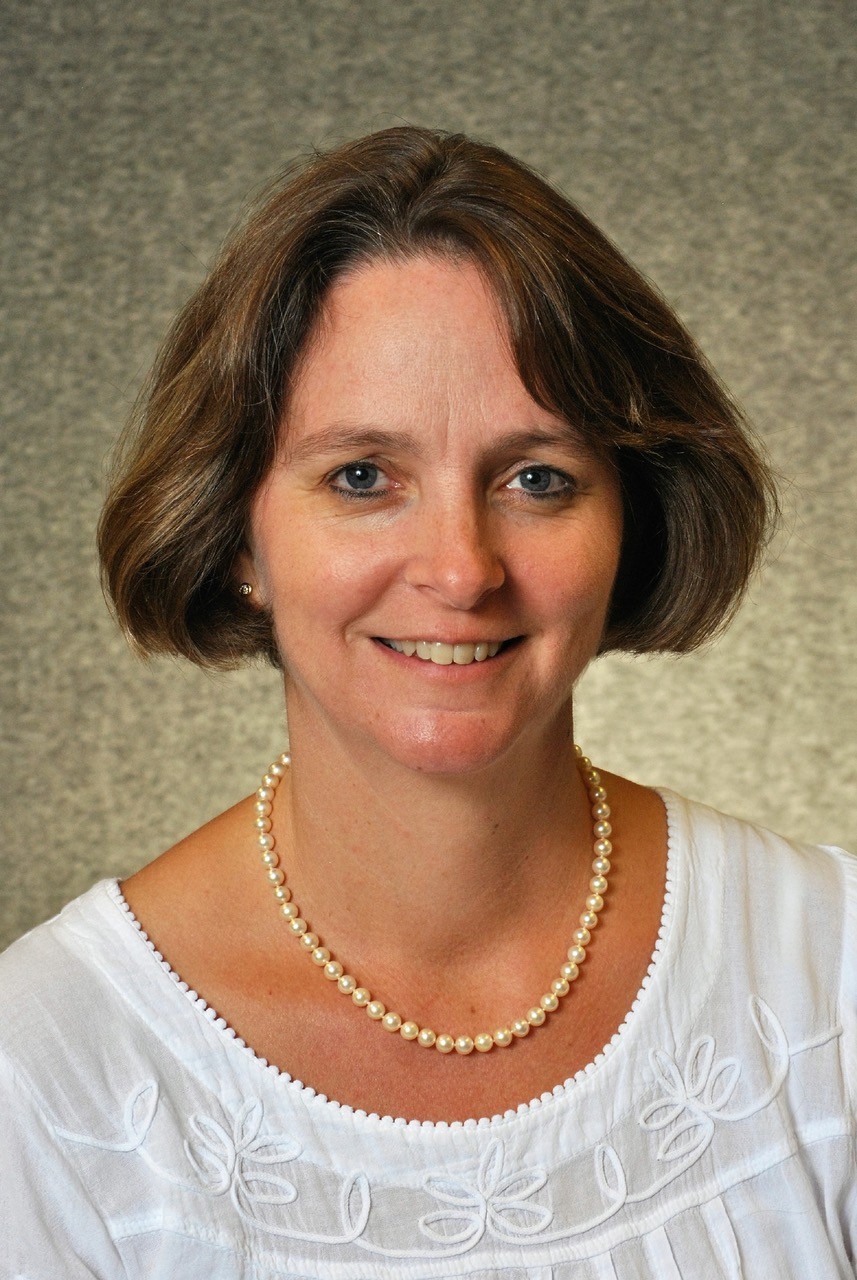
Ulrike Dydak
Professor of Medical Imaging — Purdue University
Professor of Medical Imaging at Purdue University with expertise in MRI and neuroimaging of effects of exposures. She uses quantitative MRI to quantify metal depositions in the human brain, and magnetic resonance spectroscopy to study changes in neurotransmission in welders.
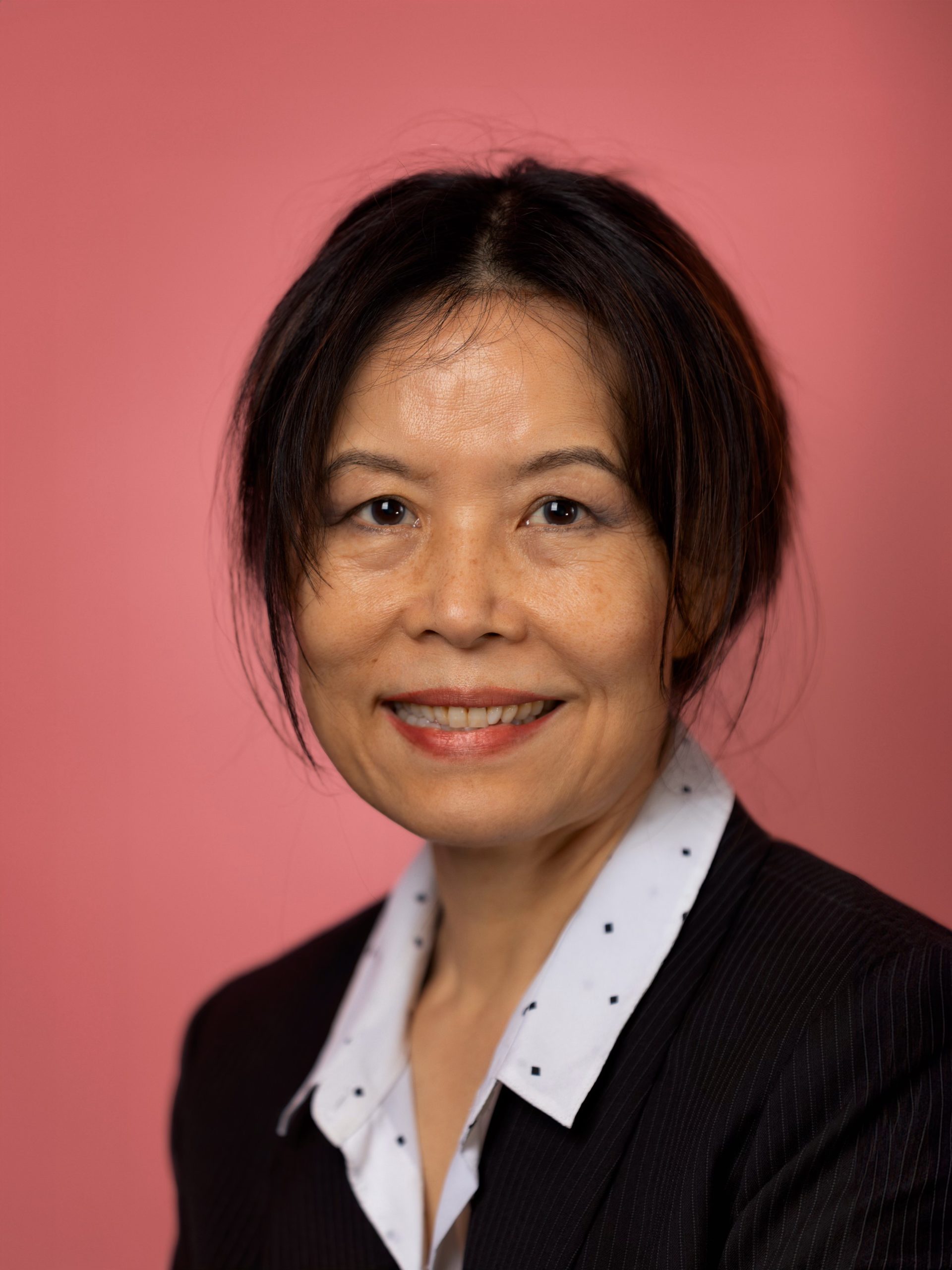
Xuemei Huang
Botsford Professor & Chair, Department of Neurology — University of Virginia
Xuemei Huang, MD, PhD, is Botsford Professor and Chair of the Department of Neurology at the University of Virginia. A board-certified clinician-scientist with a clinical specialty in movement disorders like Parkinson's disease, she has published more than 225 peer-reviewed papers (Google H=71). She has made major contributions to the development of the next generation of Parkinson's therapeutics, to discovering new biomarkers for PD, and to understanding how environmental chemicals effect on brain function.
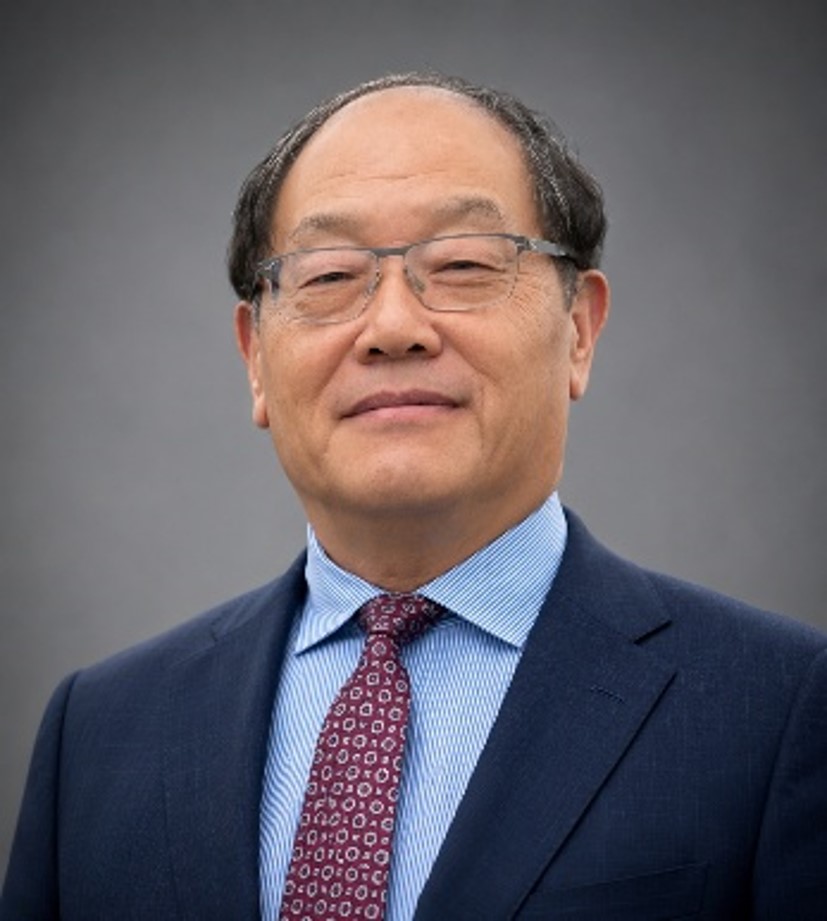
Yansheng Du
Professor of Neurology — Indiana University
Yansheng Du, Ph.D. Professor of Neurology at Indiana University. The Du lab is dedicated to studying the pathogenesis of neurodegenerative diseases and identifying therapeutic targets and risk factors for these diseases. One of his current research focuses is the pathogenic mechanism of lead-induced Alzheimer's disease amyloid pathology.
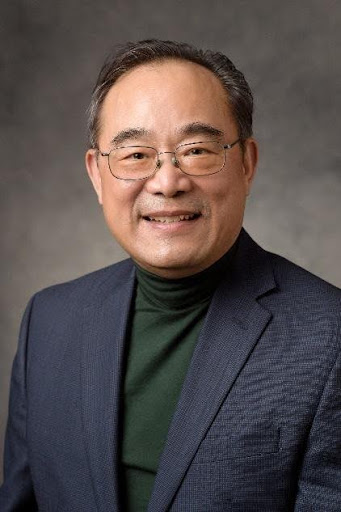
Wei Zheng, Ph.D.
Professor Emeritus of Health Sciences and Toxicology
Dr. Wei Zheng started his career as an assistant professor and later a tenured associate professor at Columbia University in New York City (1993-2003). After joining Purdue University in 2003, he became a full professor in School of Health Sciences and also served as the Head of this School before his retirement in Dec 2024. Dr. Zheng was the president of the Int'l Society for Trace Element Research in Humans (2018-2022). He is known for his research in Toxicology of Brain Barrier System and Metal Toxicology.